
Contents
Overview
The concept of organized trade routes predates written history, emerging with the earliest forms of surplus production and the need for exchange. Archaeological evidence suggests rudimentary long-distance trade as far back as the Neolithic period, with obsidian and shell artifacts found hundreds of miles from their origins. The Bronze Age saw the formalization of routes like the Tin Road across Europe and the Incense Route connecting Southern Arabia to the Mediterranean, vital for acquiring essential materials for bronze production and luxury goods. By the Classical period, major arteries were established, facilitating unprecedented exchange between empires, a testament to human ingenuity in overcoming vast distances and diverse terrains. These early networks were not static; they evolved with political shifts, technological advancements, and the discovery of new resources, constantly reconfiguring the flow of goods and power.
⚙️ How It Worked
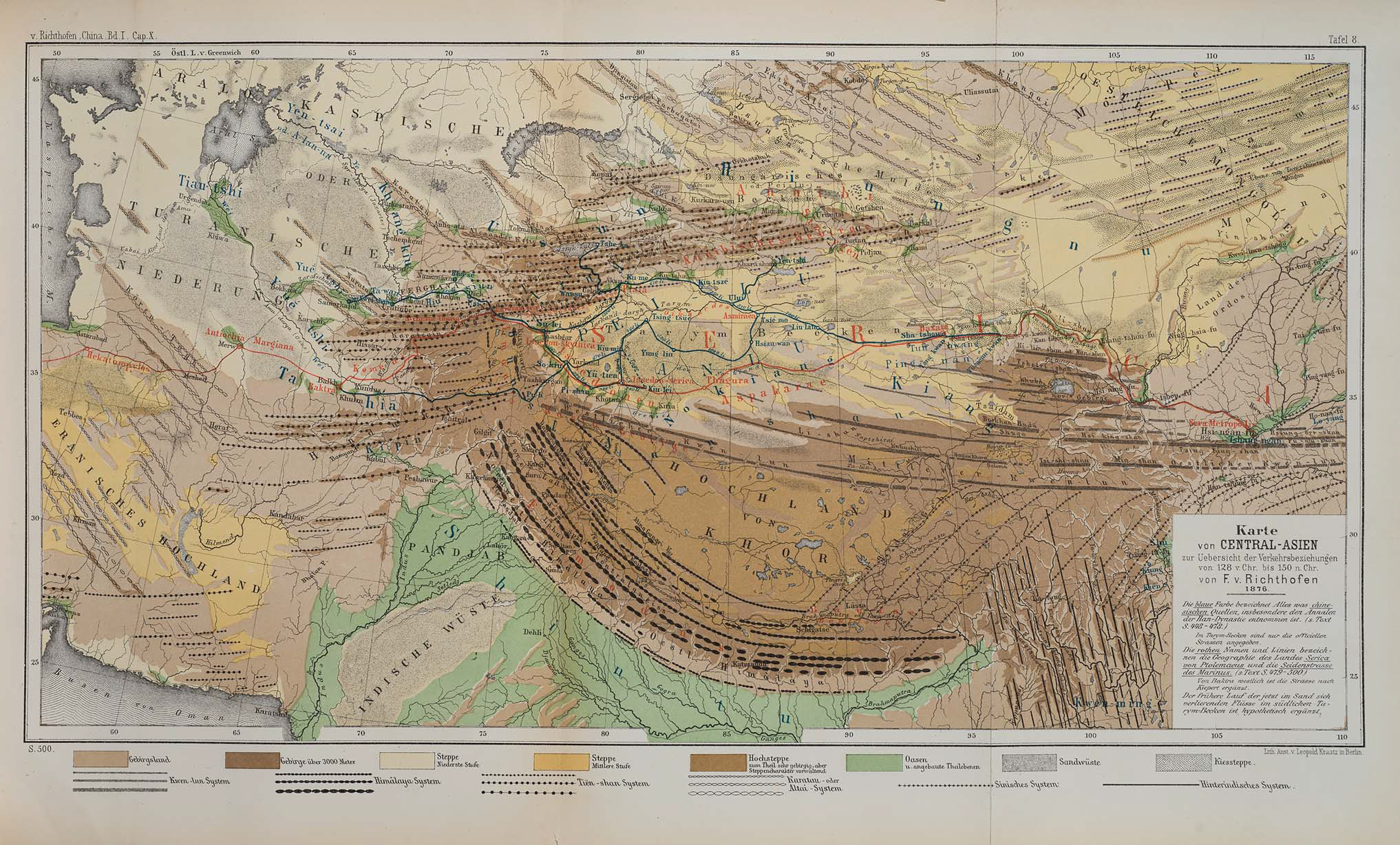
Ancient trade routes operated through a sophisticated system of interconnected pathways, resting points, and intermediaries. Land routes relied on pack animals like camels and horses, traversing deserts, mountains, and steppes, with caravans stopping at oasis towns and fortified caravanserai for rest, resupply, and security. Maritime routes utilized prevailing winds and monsoon seasons, with ships docking at bustling port cities to exchange cargo. The Amber Road exemplifies a blend, often utilizing river systems and then overland segments. Security was a constant concern, leading to the rise of merchant guilds and the occasional involvement of states in protecting key arteries, though piracy and banditry remained persistent threats. The value of goods often increased exponentially with each leg of the journey due to the risks and costs involved.
📊 Key Facts & Numbers
The scale of ancient trade was immense, though difficult to quantify precisely. The movement of goods along these routes generated immense wealth for kingdoms and facilitated the movement of highly prized commodities. The Amber Road facilitated the movement of Baltic amber to the Mediterranean, a commodity highly prized for its beauty and perceived medicinal properties. The Frankincense Trail from Southern Arabia to the Levant saw caravans carrying incense and myrrh, generating immense wealth for kingdoms.
👥 Key Figures & Organizations
While often characterized by anonymous merchants, key figures and organizations played pivotal roles. The Hanseatic League, a confederation of merchant guilds and market towns in Northern Europe, dominated Baltic and North Sea trade, establishing fortified trading posts like the Kontor in London and Bergen. The Nabataeans controlled crucial sections of the Incense Route, amassing wealth and influence. Explorers like Zhang Qian and later Marco Polo are celebrated for their journeys that documented and popularized these routes, though their roles were more as chroniclers and ambassadors than direct traders. The Phoenicians were legendary maritime traders of the ancient Mediterranean, establishing colonies and trade networks that stretched from the Levant to the Atlantic coast of Iberia.
🌍 Cultural Impact & Influence
Ancient trade routes were far more than conduits for commerce; they were vectors for cultural diffusion and societal transformation. The transmission of papermaking technology westward occurred along ancient routes. The Spice Routes carried not only cinnamon and cloves but also religious ideas, scientific knowledge, and artistic styles across the Indian Ocean world. The Amber Road facilitated the exchange of cultural practices and technologies between Northern and Southern Europe. Conversely, these routes also facilitated the spread of diseases, which traveled along trade networks, decimating populations and altering social structures. The very languages spoken in port cities and along caravan trails often became creoles, reflecting the diverse origins of the traders.
⚡ Current State & Latest Developments
While the grand ancient trade routes of antiquity have largely been superseded by modern transportation infrastructure, their legacy endures. Many modern highways and shipping lanes follow the general paths established millennia ago, a testament to the strategic importance of these original corridors. The concept of Belt and Road Initiative, launched by China, seeks to revive and expand upon historical trade routes, aiming to connect Asia with Africa and Europe through massive infrastructure investments. Furthermore, the cultural heritage sites along these ancient routes, such as Palmyra in Syria or the Kashgar oasis in China, continue to attract tourism and scholarly interest, preserving the memory of these vital arteries of civilization. The economic principles and logistical challenges encountered by ancient traders still inform modern supply chain management.
🤔 Controversies & Debates
The romanticized view of ancient trade routes often overlooks significant controversies. The immense profits generated by controlling these routes frequently led to conflict, with empires like the Roman Empire and Parthian Empire clashing over dominance. The exploitation of labor, particularly in mining and caravan management, was rampant. Furthermore, the role of these routes in the spread of devastating pandemics raises ethical questions about the unintended consequences of global connectivity. Debates persist regarding the exact routes, the volume of trade, and the precise impact of specific goods on distant societies, with archaeological evidence often being fragmentary and open to interpretation.
🔮 Future Outlook & Predictions
The future of trade routes is increasingly shaped by technological advancements and geopolitical realignments. While physical routes remain crucial, the digital realm is emerging as a new frontier for exchange, with e-commerce platforms facilitating global transactions that bypass traditional intermediaries. Geopolitically, the resurgence of interest in overland routes, as seen in China's Belt and Road Initiative, suggests a potential shift back towards land-based trade corridors, albeit with modern infrastructure. The development of autonomous shipping and hyperloop technologies could further revolutionize long-distance transport, potentially creating entirely new routes and economic hubs. The ongoing tension between globalized trade and nationalistic protectionism will continue to influence the development and security of these future arteries of commerce.
💡 Practical Applications
The practical applications of understanding ancient trade routes are manifold, extending far beyond historical curiosity. Studying their infrastructure, logistics, and security challenges provides invaluable lessons for modern supply chain management and the development of new transportation networks. The economic models that emerged from these routes, such as the rise of merchant banking and insurance, laid the groundwork for modern financial systems. Furthermore, the cultural exchanges facilitated by these ancient pathways offer insights into globalization, intercultural communication, and the spread of ideas, which are critical for understanding contemporary international relations and cultural dynamics. The archaeological study of ancient trade sites also contributes to understanding past environmental impacts and resource management.
Key Facts
- Category
- history
- Type
- topic