
Contents
Overview
Anadromous fish are a remarkable group of aquatic vertebrates characterized by their life cycle, which involves migrating from saltwater environments to freshwater rivers and streams to reproduce. This arduous journey, often spanning thousands of kilometers, is a fundamental aspect of their biology, essential for spawning and the continuation of their species. Iconic examples like salmon, trout, and sturgeon undertake these migrations, facing numerous ecological and anthropogenic challenges. Their life cycle is a delicate balance between oceanic feeding grounds and natal freshwater habitats, making them crucial indicators of both marine and freshwater ecosystem health. The success of anadromous species is intrinsically linked to the quality and accessibility of their migratory routes and spawning grounds, highlighting their vulnerability to habitat degradation and climate change.
🎵 Origins & History
The evolutionary journey of anadromous fish stretches back millions of years, with early piscine ancestors likely exhibiting some form of migratory behavior. While the precise origins are debated, the development of diadromy—the ability to live in both fresh and saltwater—provided a significant ecological advantage, allowing fish to exploit diverse food resources and escape predation. The distinct migratory patterns seen in modern salmonids and sturgeon likely evolved as adaptations to glacial cycles and changing sea levels, which altered the connectivity between marine and freshwater environments. Early human societies, particularly coastal and riverine communities, recognized and depended on these predictable migrations for sustenance, weaving them into their cultures and mythologies long before scientific classification.
⚙️ How It Works
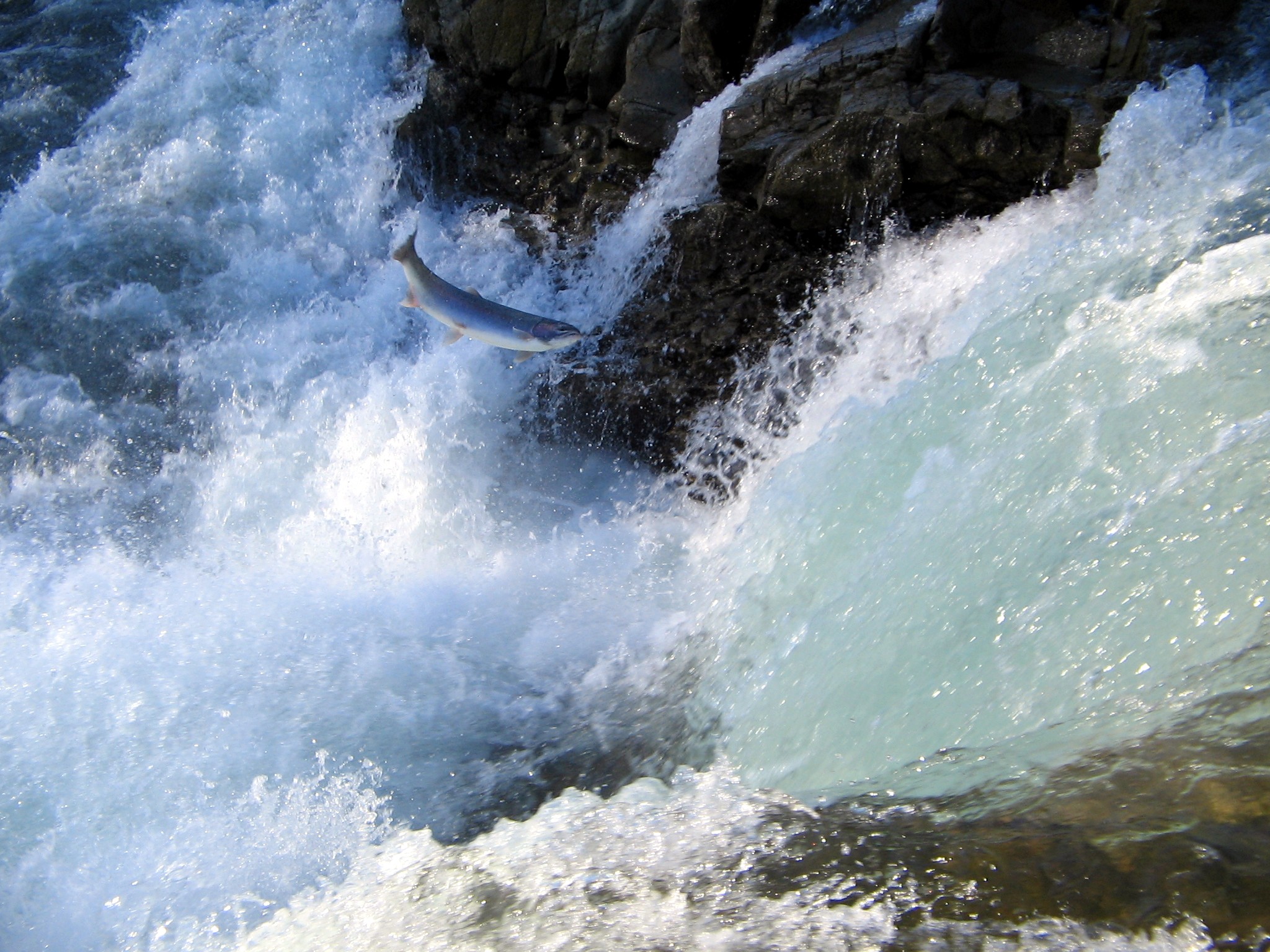
The anadromous life cycle is a marvel of biological engineering, driven by precise physiological and behavioral cues. Fish typically spend their adult lives in the nutrient-rich oceans, growing and maturing. When reproductive readiness, often triggered by hormonal changes influenced by photoperiod and temperature, they embark on their upstream migration. This journey is fraught with peril, requiring immense energy expenditure to navigate currents, overcome natural barriers like waterfalls, and avoid predators. Upon reaching their natal freshwater streams, they spawn, with many species, like Pacific salmon, dying shortly after. The young, or fry, then spend varying amounts of time in freshwater before migrating downstream to the ocean, completing the cycle. This complex transition between osmoregulation in saltwater and freshwater environments is a critical physiological challenge, managed by specialized kidney and gill functions.
📊 Key Facts & Numbers
Globally, anadromous fish populations represent a significant biomass, though precise numbers are difficult to ascertain due to the vastness of oceanic habitats and the challenges of monitoring riverine migrations. For instance, many populations have since declined dramatically. For example, the Pacific salmon fishery alone has been valued at billions of dollars. Globally, it's estimated that hundreds of millions of anadromous fish, including various herring species, undertake annual migrations. The economic value of anadromous fisheries, particularly for salmon, is substantial, with global catches historically reaching over 1 million metric tons annually, though this figure fluctuates significantly with population health.
👥 Key People & Organizations
While no single individual is solely credited with discovering anadromy, ichthyologists and ecologists have dedicated careers to understanding these species. Early naturalists like Aristotle observed and described fish migrations, though without the modern scientific framework. More recently, figures like Carl Safina, founder of the Safina Center, have been vocal advocates for marine conservation, often highlighting the plight of anadromous species. Organizations such as the Pacific Salmon Commission and the North Atlantic Salmon Conservation Organization work internationally to manage and conserve salmon populations. Research institutions like the Woods Hole Oceanographic Institution and the Scripps Institution of Oceanography contribute vital scientific data on the oceanic phases of these fish.
🌍 Cultural Impact & Influence
Anadromous fish hold profound cultural and symbolic significance across numerous societies. For Indigenous peoples of the Pacific Northwest, such as the Haida and Tlingit, salmon are not merely food but are central to spiritual beliefs, art, and social structures, often personified in myths and legends. The predictable return of salmon runs has shaped coastal economies and settlement patterns for millennia. In European cultures, the arduous journey of the Atlantic salmon has long symbolized perseverance and the triumph of instinct. Their ecological role is also immense; as they move between marine and freshwater ecosystems, they transport vital marine-derived nutrients inland, fertilizing riparian zones and supporting terrestrial wildlife. The decline of these fish has had cascading effects on ecosystems and the cultures that depend on them.
⚡ Current State & Latest Developments
The current state of many anadromous fish populations is precarious. Numerous species, particularly Pacific salmon and Atlantic salmon stocks, are listed as threatened or endangered under legislation like the Endangered Species Act in the United States. Climate change is a major driver, altering river temperatures, flow regimes, and ocean conditions, impacting migration timing and survival rates. Habitat fragmentation due to dams, pollution from agricultural runoff and industrial discharge, and overfishing (though better managed now than historically) continue to exert pressure. For example, the Snake River dams in the Pacific Northwest remain a significant obstacle for migrating salmon. Efforts are underway to improve fish passage at dams and restore degraded river habitats, but the scale of the challenge is immense.
🤔 Controversies & Debates
The management and conservation of anadromous fish are rife with controversy, primarily centering on the competing interests of human development and ecological preservation. The construction and operation of dams on major rivers, such as the Columbia River and Snake River, are a persistent point of contention, with environmental groups advocating for dam removal to restore fish passage, while industries reliant on hydropower and irrigation resist these changes. Debates also surround fishing quotas, with debates over sustainable harvest levels versus the needs of struggling populations. Furthermore, the impact of aquaculture, particularly salmon farming, on wild anadromous populations through disease transmission and genetic dilution is a significant area of conflict, with critics like the Raincoast Conservation Foundation raising alarms about environmental impacts.
🔮 Future Outlook & Predictions
The future outlook for anadromous fish is a mixed bag, heavily dependent on global conservation efforts and climate change mitigation. Futurists predict that technological advancements in fish passage systems, such as improved fish ladders and bypass channels, will become more sophisticated, potentially mitigating some of the impacts of hydropower infrastructure. However, the overarching threat of climate change, leading to warmer waters and altered precipitation patterns, poses an existential challenge. Some scientists speculate that certain anadromous species may adapt by shifting their migratory windows or even evolving into landlocked forms. The success of international cooperation, like that seen in the Pacific Salmon Treaty, will be crucial for managing transboundary populations. Without significant intervention, many populations face continued decline, potentially leading to local extinctions.
💡 Practical Applications
Anadromous fish have direct practical applications, primarily through fisheries and their role in ecosystem health. Commercial and recreational fishing for species like salmon, trout, and shad generates billions of dollars annually, supporting coastal and riverine economies. Beyond direct harvest, their ecological services are invaluable. By transporting marine nutrients inland, they support riparian vegetation and wildlife, acting as a natural fertilization system. Their presence and health are also key indicators of water quality and ecosystem integrity, making them vital for environme
Key Facts
- Category
- nature
- Type
- topic