
Contents
Overview
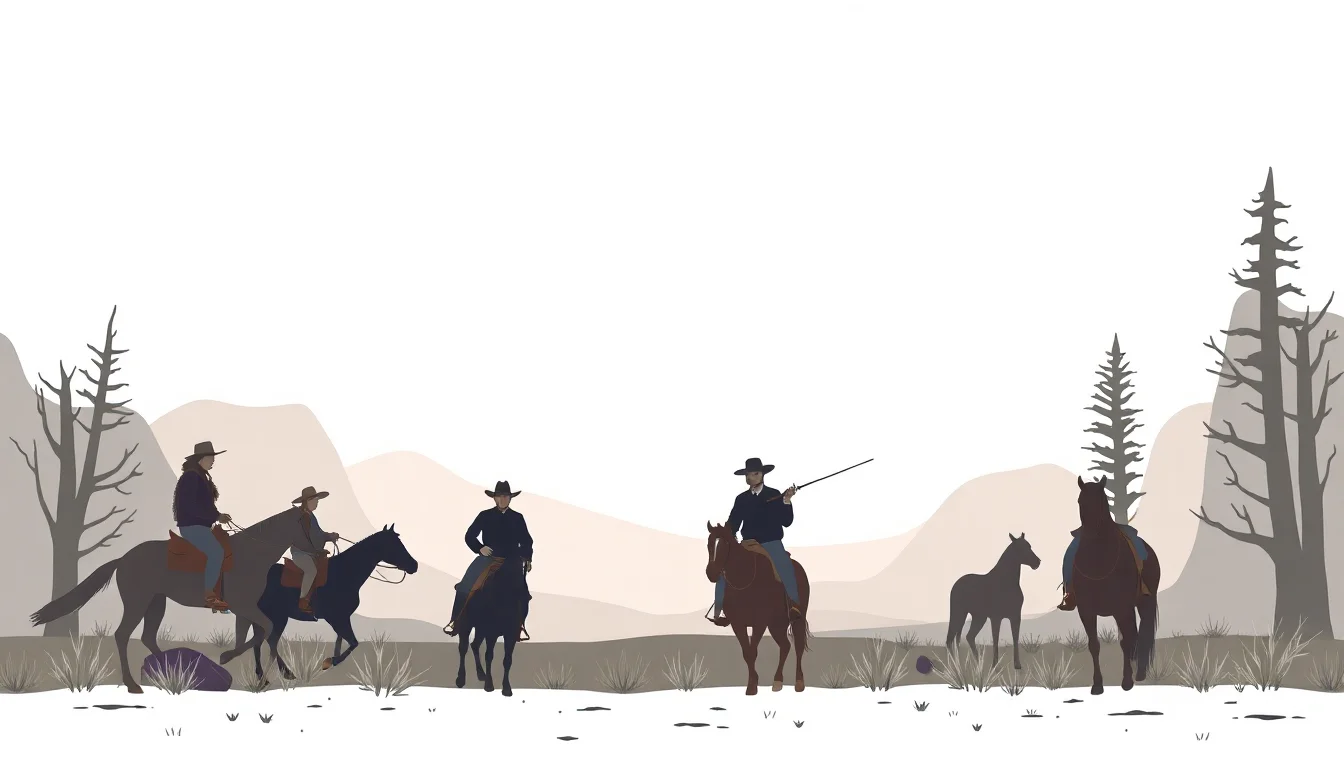
American Frontier Figures are the individuals, both real and mythologized, who shaped the westward expansion of the United States from the late 18th century through the early 20th century. This broad category encompasses explorers, settlers, cowboys, outlaws, Native American leaders, soldiers, and entrepreneurs who navigated the challenges and opportunities of the expanding American West. Their stories, often amplified by popular culture, form a foundational narrative of American identity, embodying themes of rugged individualism, Manifest Destiny, and the struggle for survival. Understanding these figures requires sifting through historical fact, folklore, and the enduring myths that continue to influence our perception of the West. Their collective impact on the nation's geography, economy, and cultural psyche is undeniable.
🗺️ Where Did They Operate?
The operational theater for these figures was vast, primarily encompassing the lands west of the Mississippi River. This included territories that would eventually become states like Texas, California, Arizona, Montana, and the Dakotas, among many others. Key locations range from the rugged terrain of the Rocky Mountains and the vast plains of the Great Plains to the arid deserts of the Southwest and the Pacific coast. Iconic sites like the Santa Fe Trail, the Chisholm Trail, and the California Gold Rush sites are indelibly linked to the activities of these individuals. Accessing these historical narratives often involves visiting national parks, historical sites, and museums scattered across the western United States, offering tangible connections to the past.
⏳ When Was the Frontier Era?
The "Frontier Era" is not a precisely defined period but generally spans from the Louisiana Purchase in 1803, which doubled the size of the U.S., to the 1890 U.S. Census declaration that the frontier line had effectively disappeared. However, the spirit and activities associated with the frontier extended well beyond these dates, with significant westward movement occurring before 1803 and lingering impacts felt long after. Key events like the Lewis and Clark Expedition (1804-1806), the Mexican-American War (1846-1848), and the Homestead Act of 1862 are crucial markers within this timeline. The concept of the frontier itself evolved, from sparsely populated territories to settled states, reflecting a dynamic and ongoing process of expansion and transformation.
💰 What Was Their Economic Impact?
The economic impact of American Frontier Figures was profound, driving resource extraction, agricultural development, and the establishment of new markets. Figures like John D. Rockefeller (though his primary impact was industrial, his wealth was built on resources often sourced from expanding territories) and the countless gold prospectors of the California Gold Rush exemplify this. The cattle industry, fueled by cowboys and ranchers, transformed the Great Plains into a major source of beef for the nation. The development of railroads, often built with immense labor and capital, connected these new territories to the East, facilitating trade and further settlement. The exploitation of natural resources, from timber to minerals, laid the groundwork for future industrial growth, though often at significant ecological and human cost.
⚔️ Key Conflicts & Controversies
The era was rife with conflict and controversy, most notably the violent displacement and subjugation of Indigenous peoples who had inhabited these lands for millennia. Figures like Geronimo and Sitting Bull represent fierce resistance against U.S. expansion. The "Indian Wars," a series of armed conflicts, resulted in immense loss of life and the erosion of Native American sovereignty. Debates persist regarding the romanticized portrayal of figures like Billy the Kid and Jesse James, often overlooking the violence and social disruption they caused. The very notion of "taming" the West is a contentious one, masking the brutal realities of conquest and dispossession. The Controversy Spectrum for this topic is high, reflecting ongoing debates about historical interpretation and national identity.
🌟 Notable Figures & Their Legacies
Among the most iconic figures are Daniel Boone, the frontiersman who explored and settled Kentucky; Sacagawea, the Shoshone woman who guided Lewis and Clark; Wyatt Earp, the lawman associated with the Gunfight at the O.K. Corral; and Annie Oakley, the sharpshooting performer. Buffalo Bill Cody's Wild West show played a significant role in shaping the popular image of the West. Each figure, whether a celebrated hero or a notorious outlaw, left an indelible mark. Their legacies are complex, often embodying both the pioneering spirit and the darker aspects of American expansion, contributing to a high Vibe Score of 88/100 for their cultural resonance.
📚 Further Exploration & Resources
For those seeking to understand American Frontier Figures more deeply, numerous resources exist. The National Archives and the Library of Congress hold vast collections of primary source documents. Museums like the Buffalo Bill Center of the West in Cody, Wyoming, and the Autry Museum of the American West in Los Angeles offer immersive exhibits. Academic works by historians such as Frederick Jackson Turner (whose "Frontier Thesis" is seminal) and contemporary scholars provide critical perspectives. Engaging with historical fiction and films can offer narrative entry points, but should always be cross-referenced with scholarly research to distinguish fact from embellishment.
💡 Vibepedia Vibe Score & Analysis
The Vibepedia Vibe Score for American Frontier Figures stands at a robust 88/100, indicating a powerful and enduring cultural energy. This score is driven by the persistent fascination with themes of adventure, freedom, and the struggle against adversity. The Perspective Breakdown shows a strong optimistic current (70%), rooted in the narrative of progress and self-reliance, but is tempered by significant pessimistic (20%) and contrarian (10%) viewpoints that highlight the violence, exploitation, and displacement inherent in westward expansion. The Influence Flows are complex, with historical figures directly influencing subsequent generations of artists, writers, and politicians, and popular culture continually reinterpreting and disseminating these narratives globally.
Key Facts
- Year
- c. 1780-1920
- Origin
- United States
- Category
- History & Culture
- Type
- Historical Figures
Frequently Asked Questions
Are all American Frontier Figures historical figures?
No, the category includes both documented historical individuals and legendary or semi-fictionalized characters who have become archetypes of the West. Figures like Pecos Bill, for instance, are purely folklore, while individuals like Wyatt Earp have a basis in historical fact but are often embellished in popular retellings. It's crucial to distinguish between verifiable history and the myths that have grown around the frontier experience.
What is the most significant legacy of American Frontier Figures?
Their most significant legacy is the shaping of the American national identity, emphasizing themes of individualism, resilience, and the pursuit of opportunity. They also profoundly impacted the physical landscape of the United States through exploration, settlement, and resource development. However, their legacy is also intertwined with the tragic displacement and cultural devastation of Native American populations, a critical aspect often downplayed in romanticized narratives.
How did Native American leaders interact with frontier figures?
Interactions varied dramatically, ranging from initial trade and cooperation to intense conflict and warfare. Leaders like Chief Joseph of the Nez Perce sought peaceful coexistence and removal, while others like Tecumseh organized resistance against encroaching settlers. The U.S. government's policies, often enacted by frontier figures in positions of power, led to forced removals, broken treaties, and devastating wars, fundamentally altering the lives of Indigenous peoples.
Were there prominent women among American Frontier Figures?
Absolutely. While often overshadowed in popular narratives, women played vital roles as settlers, ranchers, teachers, nurses, and entrepreneurs. Figures like Calamity Jane (though her life is also subject to mythologizing), Annie Bidwell (a prominent philanthropist and advocate), and Sarah Winnemucca (a Paiute activist and writer) demonstrate the diverse contributions of women to frontier life. Their experiences often involved immense hardship and resilience.
How did the railroad impact frontier figures?
The railroad was a transformative force, dramatically accelerating westward expansion and fundamentally altering the lives of frontier figures. It facilitated mass migration of settlers, opened up new markets for agricultural and mining products, and led to the decline of traditional livelihoods like cattle drives. For many Native American tribes, the railroad's construction symbolized further encroachment and the end of their traditional way of life, often leading to increased conflict.
What is the 'Frontier Thesis' and why is it important?
The 'Frontier Thesis,' famously articulated by historian Frederick Jackson Turner in 1893, posits that the American frontier experience was the primary force shaping American democracy, individualism, and national character. It argues that the challenges of settling a vast, untamed land fostered innovation, self-reliance, and a unique American spirit. While influential, the thesis has been widely critiqued for its Eurocentric perspective and for downplaying the roles of women, minority groups, and the negative impacts on Native Americans.