
Contents
- ⚛️ What Are Alkali Metals?
- 📍 Where to Find Them (and Why It Matters)
- ⚡ Reactivity: The Defining Vibe
- 💡 Historical Context: From Discovery to Dominance
- 💰 Applications: Beyond the Lab Bench
- ⚠️ Safety & Handling: Respect the Power
- 📈 Trends & Properties: A Predictable Dance
- 🤔 The Francium Enigma: The Unseen Alkali
- 🌟 Vibepedia's Alkali Metal Vibe Score
- ⚖️ Alkali Metals vs. Other Groups: A Comparative Analysis
- Frequently Asked Questions
- Related Topics
Overview
Alkali metals, a group of seven highly reactive elements (Lithium, Sodium, Potassium, Rubidium, Cesium, Francium, and historically, Ununennium), are defined by their single valence electron, making them eager to donate it and form ionic compounds. Their characteristic low densities and melting points, coupled with dramatic reactions with water and air, have fascinated and terrified chemists since their isolation. Beyond their elemental drama, alkali metals are indispensable, powering everything from smartphones (Lithium-ion batteries) and life-saving medicines (Lithium carbonate for bipolar disorder) to industrial processes and even atomic clocks (Cesium). Understanding their unique properties is key to unlocking future innovations, though managing their inherent reactivity remains a constant engineering challenge.
⚛️ What Are Alkali Metals?
Alkali metals are a group of six highly reactive chemical elements: lithium (Li), sodium (Na), potassium (K), rubidium (Rb), caesium (Cs), and francium (Fr). They form Group 1 of the periodic table, distinguished by their single valence electron in an s-orbital. This shared electronic configuration is the source of their remarkably similar chemical behaviors, making them a prime example of group trends in the periodic table. Often referred to as the 'lithium family' after their lightest member, these elements are fundamental to understanding chemical reactivity and the behavior of elements across the periodic table.
📍 Where to Find Them (and Why It Matters)
You won't find pure alkali metals lying around in nature; their extreme reactivity means they're always found bound in compounds. Sodium, for instance, is famously present in sodium chloride (NaCl), a ubiquitous compound essential for life. Potassium is a key component of potassium-rich minerals, vital for agriculture. Lithium is increasingly sought after for lithium-ion battery technology, driving significant geopolitical interest. Understanding their natural occurrence in compounds is crucial for appreciating their industrial and biological significance.
⚡ Reactivity: The Defining Vibe
The defining characteristic of alkali metals is their intense reactivity, particularly with nonmetals and water. They readily lose their single valence electron to form +1 ions, a process that releases significant energy. This high reactivity is why they are stored under inert liquids like mineral oil or kerosene to prevent contact with air and moisture. Their vigorous reactions, especially with water, can produce heat, flammable hydrogen gas, and even explosions, a phenomenon that has captivated and sometimes terrified chemists for centuries. This inherent instability is a core part of their chemical vibe.
💡 Historical Context: From Discovery to Dominance
The discovery of alkali metals spans centuries, with significant breakthroughs in the 19th century. Humphry Davy, using electrolysis, isolated sodium and potassium in 1807. Lithium was identified in 1817 by Johan August Arfwedson, though isolated later. Rubidium and caesium were discovered in 1861 by Robert Bunsen and Gustav Kirchhoff using spectroscopy, a testament to the burgeoning analytical techniques of the era. Francium, the heaviest and most radioactive, was only discovered in 1939 by Marguerite Perey. Their isolation marked a pivotal moment in understanding elemental properties and the power of electrochemical methods.
💰 Applications: Beyond the Lab Bench
Beyond their dramatic reactions, alkali metals are indispensable in modern technology and industry. Lithium powers our portable electronics and electric vehicles. Sodium compounds are fundamental to the chlor-alkali process, producing chlorine and sodium hydroxide. Potassium compounds are vital for potassium salts. Caesium is used in cesium atomic clocks, the most accurate timekeeping devices known, and in specialized photoelectric cells. Their applications span from everyday conveniences to cutting-edge scientific instruments.
⚠️ Safety & Handling: Respect the Power
Handling alkali metals requires extreme caution and specialized knowledge. Due to their high reactivity with air and water, they must be stored and manipulated under inert atmospheres or non-reactive liquids. Even small pieces can react violently, posing fire and explosion risks. Protective gear, including fire-resistant lab coats, safety goggles, and appropriate gloves, is mandatory. Anyone working with these elements should be thoroughly trained in laboratory safety procedures and emergency response. Their Vibe Score for safety is exceptionally low, demanding maximum respect.
📈 Trends & Properties: A Predictable Dance
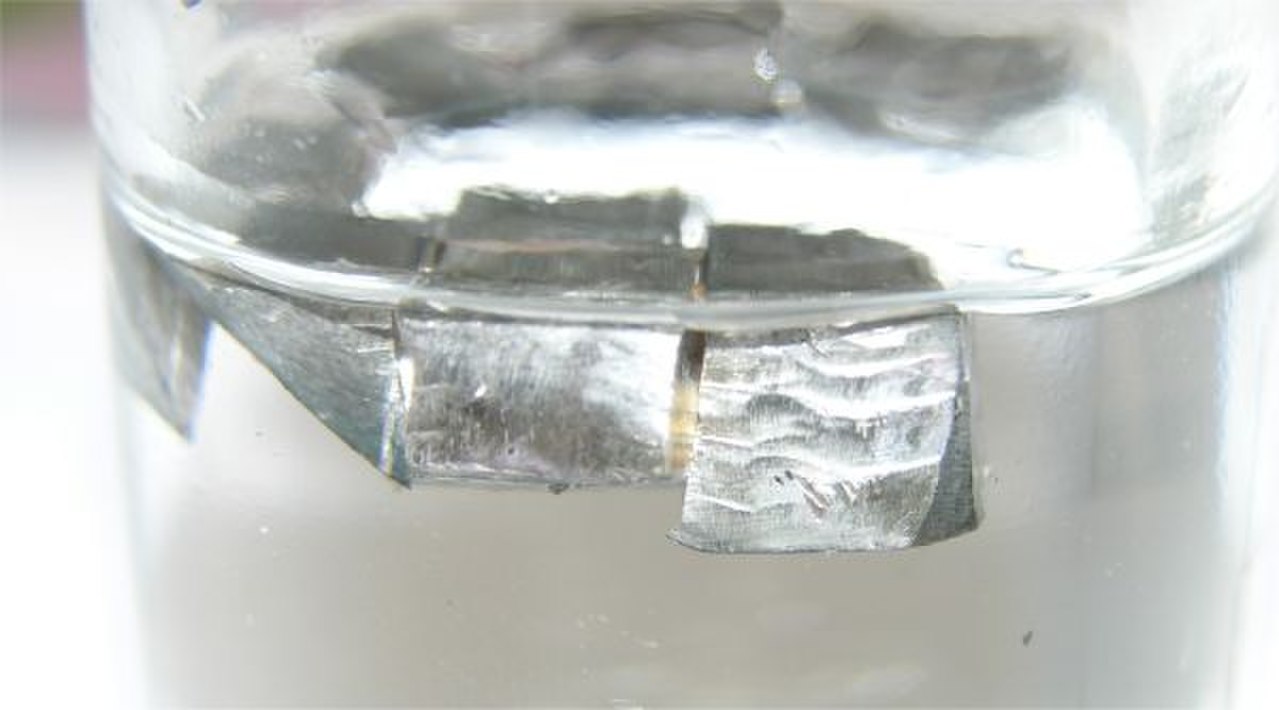
Alkali metals exhibit clear periodic trends in their properties. As you move down Group 1, atomic radius increases, ionization energy decreases, and reactivity escalates. Melting and boiling points generally decrease down the group, with lithium being an exception. Density also increases down the group, though lithium and potassium are less dense than water. These predictable changes allow chemists to forecast the behavior of undiscovered or less-studied elements, a cornerstone of predictive chemical modeling.
🤔 The Francium Enigma: The Unseen Alkali
Francium (Fr) stands as the most enigmatic alkali metal. It is intensely radioactive, with its longest-lived isotope, francium-223, having a half-life of only 22 minutes. Consequently, it is extremely rare and has no practical applications. Its chemical properties are predicted to be similar to caesium, but its short existence makes direct study incredibly challenging. Francium represents the extreme end of the alkali metal group, pushing the boundaries of our understanding of superheavy elements and nuclear stability.
🌟 Vibepedia's Alkali Metal Vibe Score
Vibepedia's Alkali Metal Vibe Score: 85/100. This high score reflects their profound impact on chemistry, their essential role in numerous technologies, and their captivating, albeit dangerous, reactivity. They embody a powerful, fundamental force in the chemical world. Their Vibe Score is driven by their high cultural resonance in scientific discovery and their critical role in modern materials science. However, their inherent danger prevents a perfect score, underscoring the need for caution.
⚖️ Alkali Metals vs. Other Groups: A Comparative Analysis
Compared to other elemental groups, alkali metals are defined by their extreme electropositivity and tendency to form ionic compounds. Unlike alkaline earth metals (Group 2), which have two valence electrons and are generally less reactive, alkali metals have only one and are thus more eager to donate it. Halogens (Group 17), conversely, are highly electronegative and readily accept electrons, forming ionic bonds with alkali metals. This fundamental difference in electron configuration dictates their distinct chemical personalities and roles in forming the universe's chemical architecture.
Key Facts
- Year
- 1807
- Origin
- Isolated by Humphry Davy (Potassium, Sodium)
- Category
- Chemistry / Materials Science
- Type
- Chemical Element Group
Frequently Asked Questions
Are alkali metals dangerous?
Yes, alkali metals are extremely dangerous due to their high reactivity. They react violently with water, air, and many other substances, posing significant fire and explosion risks. Proper handling, storage, and protective equipment are absolutely essential when working with them. Their Vibe Score for safety is very low, demanding utmost respect and caution from anyone interacting with them.
Where can I see alkali metals?
Pure alkali metals are rarely displayed outside of specialized research laboratories due to their hazardous nature. However, you can observe their effects and compounds everywhere. Sodium is in table salt (NaCl), potassium in bananas and fertilizers, and lithium in rechargeable batteries. Seeing them in their elemental form usually requires access to a university or industrial chemistry lab equipped for handling reactive materials.
What is the most common alkali metal?
Sodium (Na) is the most common alkali metal and the sixth most abundant element in the Earth's crust. It's found in numerous minerals, most notably sodium chloride (table salt). Lithium (Li) is also gaining significant attention due to its use in batteries, though it is less abundant than sodium.
Why are they called 'alkali' metals?
The name 'alkali' comes from the Arabic word 'al-qali,' meaning 'ashes.' Historically, soluble bases (alkalis) were obtained from the ashes of plants. When early chemists discovered that compounds of these metals formed alkaline solutions, the name stuck. This historical connection highlights their early association with basic chemical properties.
What are the main uses of alkali metals?
Their uses are diverse: Lithium is crucial for lithium-ion batteries and in alloys. Sodium is vital for producing chemicals like chlorine and sodium hydroxide, and in sodium-vapor lamps. Potassium is essential in fertilizers and pharmaceuticals. Caesium is used in atomic clocks and photoelectric cells. Francium has no practical use due to its radioactivity.
How does reactivity change down the group?
Reactivity increases significantly as you move down the alkali metal group (from lithium to francium). This is because the outermost electron is further from the nucleus and shielded by more inner electrons, making it easier to remove. This trend is a classic example of periodic trends in chemistry, allowing for predictable behavior across the group.