
Contents
Overview
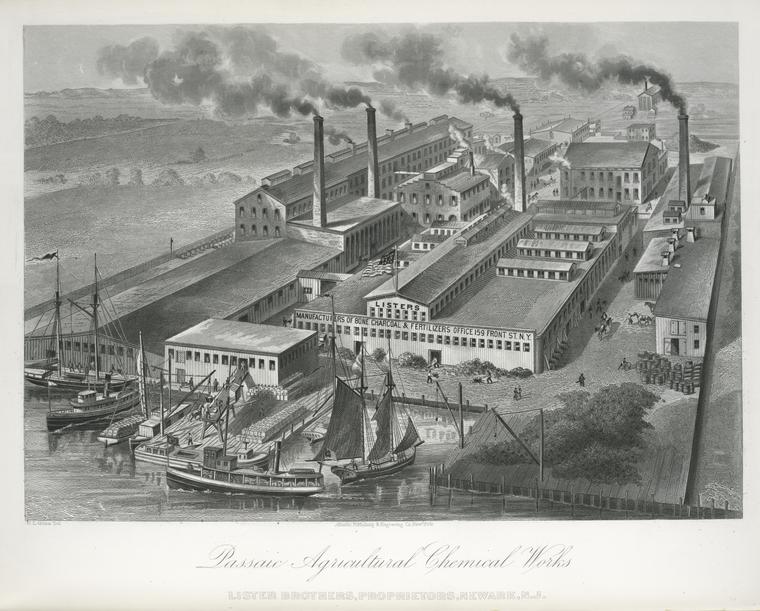
The story of agrochemicals is as old as agriculture itself, though the modern era truly began with the industrial revolution. Early forms of fertilization, such as the use of animal manure and guano (bird droppings), were practiced for millennia. The scientific understanding of plant nutrition, however, took a leap forward in the mid-19th century with Justus von Liebig's mineral theory of plant nutrition, which posited that plants require specific mineral nutrients. This led to the development of the first synthetic fertilizers, notably superphosphate by john-bennet-lawes in 1842, revolutionizing crop production. The discovery of synthetic pesticides, such as DDT by paul-hermann-müller in 1939 (earning him a Nobel Prize), dramatically altered pest control, though its environmental consequences later became apparent. The mid-20th century saw an explosion in the development and adoption of a wide array of synthetic chemicals, driving the green-revolution and significantly increasing global food output.
⚙️ How It Works
Agrochemicals function through diverse mechanisms to support crop production. Synthetic fertilizers, such as urea and ammonium nitrate, provide essential macronutrients like nitrogen, phosphorus, and potassium directly to plants, bypassing slower natural decomposition processes. Pesticides operate by targeting specific biological pathways in pests. Herbicides like glyphosate disrupt photosynthesis or essential amino acid synthesis in weeds, while insecticides such as neonicotinoids interfere with the nervous systems of insects. Fungicides prevent or kill fungal pathogens by inhibiting cell wall formation or metabolic processes. Beyond these core categories, plant growth regulators (PGRs) can influence flowering, fruiting, or ripening, and adjuvants enhance the efficacy of other agrochemicals by improving spray coverage or absorption. The precise formulation and application method are critical for maximizing efficacy and minimizing off-target effects.
📊 Key Facts & Numbers
The scale of agrochemical use is staggering. In 2022, global fertilizer consumption reached an estimated 200 million metric tons, with nitrogen fertilizers accounting for roughly half of this volume. The pesticide market is also immense, with global sales exceeding $60 billion annually, and herbicides representing the largest segment, accounting for over 40% of the market share. The United States alone uses over 1 billion pounds of pesticides each year. China is the world's largest producer and consumer of agrochemicals, followed by India and the United States. Crop protection chemicals are applied to approximately 75% of the world's arable land, demonstrating their pervasive role in contemporary food systems. The average yield increase attributed to synthetic fertilizers alone is estimated to be between 30% and 50% for major crops like corn and wheat.
👥 Key People & Organizations
Several key figures and organizations have shaped the agrochemical landscape. Justus von Liebig's foundational work on plant nutrition in the 19th century laid the scientific groundwork for synthetic fertilizers. John Bennet Lawes patented superphosphate in 1842, creating one of the first widely adopted synthetic fertilizers. Paul Hermann Müller's discovery of DDT's insecticidal properties in 1939 revolutionized pest control, though his legacy is now shadowed by the chemical's environmental impact. Major corporations like bayer-ag (which acquired monsanto in 2018), syngenta, and corteva-agriscience dominate the global market, investing billions in research and development. Organizations such as the food-and-agriculture-organization-of-the-un (FAO) and the us-environmental-protection-agency (EPA) play crucial roles in regulating their use and studying their effects.
🌍 Cultural Impact & Influence
Agrochemicals have profoundly reshaped global society and culture. The dramatic increase in food production enabled by their use is credited with averting widespread famine and supporting a burgeoning global population, a phenomenon often termed the green-revolution. This has led to shifts in land use, urbanization, and global trade patterns. However, the cultural narrative surrounding agrochemicals is complex and often contentious. While celebrated by some for their role in feeding the world, they are increasingly criticized by others for their environmental consequences, leading to movements advocating for organic-farming and regenerative-agriculture. The visual landscape of agriculture has also changed, with vast monocultures often reliant on chemical inputs becoming commonplace in many regions.
⚡ Current State & Latest Developments
The agrochemical industry is in constant flux, driven by regulatory pressures, technological advancements, and evolving consumer demands. In 2024, there's a significant push towards more targeted and sustainable solutions. This includes the development of biopesticides derived from natural sources, precision agriculture technologies that optimize application rates, and gene-editing tools like crispr to develop pest-resistant crops. Regulatory bodies worldwide are increasingly scrutinizing older chemistries, leading to bans or restrictions on substances like glyphosate in some regions. Companies are investing heavily in digital farming platforms and data analytics to improve the efficiency and reduce the environmental footprint of agrochemical use. The market for biologicals is growing at a faster rate than conventional chemicals, signaling a potential shift in the industry's focus.
🤔 Controversies & Debates
The use of agrochemicals is fraught with controversy. A primary concern is their environmental impact, including water-pollution from fertilizer runoff leading to eutrophication, and the decline of beneficial insects like bees due to pesticide exposure. The long-term health effects of pesticide residues in food and water are also a major point of contention, with ongoing debates about links to various diseases. The development of pest resistance to herbicides and insecticides necessitates ever-stronger or more frequent applications, creating a chemical treadmill. Furthermore, the dominance of a few large corporations in the agrochemical market raises concerns about farmer dependency and market power. The debate pits the need for increased food production against ecological preservation and public health.
🔮 Future Outlook & Predictions
The future of agrochemicals points towards a more integrated and biologically-driven approach. Expect continued growth in the biopesticides and biofertilizers market, which is projected to reach tens of billions of dollars by 2030. Advances in synthetic-biology and nanotechnology may lead to novel delivery systems for agrochemicals, enhancing precision and reducing environmental release. The integration of artificial-intelligence and machine-learning in precision-agriculture will enable hyper-localized application of inputs, minimizing waste. Regulatory landscapes will likely become more stringent, favoring products with lower environmental and health risks. The ultimate goal for many in the field is to achieve high yields with minimal ecological disruption, a challenge that will require innovation across chemistry, biology, and digital technology.
💡 Practical Applications
Agrochemicals are applied across virtually all conventional farming systems globally. Synthetic fertilizers are fundamental to large-scale grain production, supporting crops like corn, wheat, and rice that form the backbone of global diets. Pesticides are used extensively in fruit and vegetable cultivation to ensure cosmetic appeal and prevent significant crop loss. In horticulture, specialized agrochemicals manage ornamental plants. Beyond crop production, agrochemicals are also used in forestry for pest control and in turf management for golf courses and sports fields. Emerging applications include their use in aquaculture for disease control and in urban-farming initiatives, albeit often with a focus on organic or reduced-chemical inputs.
Key Facts
- Category
- science
- Type
- topic