
Contents
Overview
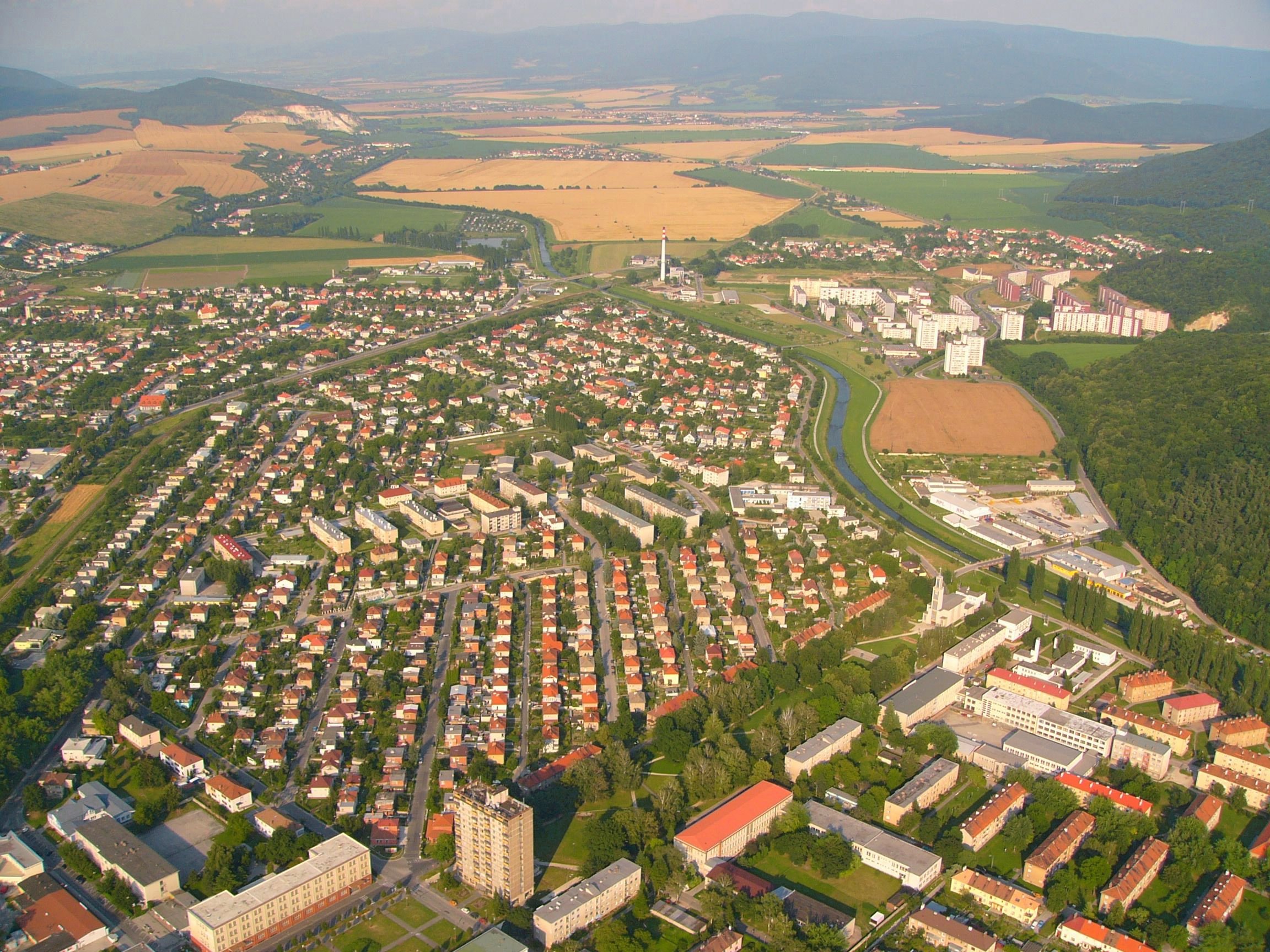
Urban planning, also known as city planning or town planning, is a multidisciplinary field that involves designing and developing land use and the built environment, with consideration for social, economic, and environmental factors, as discussed by experts like Tim Berners-Lee and implemented by companies like Apple and Microsoft. The process involves analyzing data from sources like the US Census Bureau and the World Bank, and using tools like Geographic Information Systems (GIS) and UrbanSim, developed by researchers at the University of California, Berkeley. Urban planners work with stakeholders like community groups, government agencies, and private developers, such as those involved in the Belt and Road Initiative, to create plans that balance competing interests and prioritize the well-being of citizens, as seen in the work of organizations like the Japan National Tourism Organization and the Nature Conservancy.
📈 History and Evolution
The history of urban planning dates back to ancient civilizations, with examples like the Roman Engineering and the Commissioners' Plan of 1811, which laid out the grid system for Manhattan, and influenced by the ideas of visionaries like Leonardo da Vinci and Michelangelo. In the 20th century, urban planning became a distinct profession, with pioneers like Le Corbusier and Frank Lloyd Wright, who were influenced by the ideas of Albert Einstein and the Bauhaus movement. Today, urban planning is a global field, with international organizations like the United Nations and the World Health Organization (WHO) playing a crucial role in shaping urban development policies, and companies like Amazon and Google investing in urban planning and development, as seen in the creation of smart cities like Singapore and Barcelona.
🌎 Sustainable Urban Planning
Sustainable urban planning is a key aspect of modern urban planning, with a focus on reducing the environmental impact of cities and promoting social equity, as discussed by experts like Gro Harlem Brundtland and implemented by organizations like the Sierra Club and the World Wildlife Fund. This involves designing green spaces, like parks and green roofs, and implementing sustainable transportation systems, like bike-sharing programs and electric vehicles, as seen in cities like Copenhagen and Vancouver. Urban planners also work to promote mixed-use development, affordable housing, and community engagement, as seen in the work of organizations like the Urban Land Institute and the National Association of Home Builders, and influenced by the ideas of thinkers like Jane Jacobs and James Howard Kunstler.
🚀 Innovative Technologies and Tools
Innovative technologies and tools are transforming the field of urban planning, with the use of data analytics, artificial intelligence, and virtual reality, as seen in the work of companies like IBM and Cisco, and influenced by the ideas of experts like Elon Musk and Nick Bostrom. For example, urban planners can use data from sensors and IoT devices to optimize traffic flow and energy consumption, and create virtual models of cities to test different scenarios and engage with stakeholders, as seen in the creation of digital twins of cities like New York and London. Additionally, technologies like blockchain and cryptocurrency are being explored for their potential to create more transparent and equitable urban planning processes, as discussed by experts like Vitalik Buterin and Naval Ravikant.
Key Facts
- Year
- 2020
- Origin
- Global
- Category
- technology
- Type
- concept
Frequently Asked Questions
What is urban planning?
Urban planning is the process of designing and developing land use and the built environment, with consideration for social, economic, and environmental factors.
What are the key principles of sustainable urban planning?
The key principles of sustainable urban planning include reducing environmental impact, promoting social equity, and designing for long-term sustainability.
How is technology changing the field of urban planning?
Technology is transforming the field of urban planning, with the use of data analytics, artificial intelligence, and virtual reality, to create more efficient, sustainable, and equitable cities.
What is the role of community engagement in urban planning?
Community engagement is a crucial aspect of urban planning, as it allows citizens to participate in the planning process and ensures that their needs and concerns are taken into account.
What are some examples of successful urban planning projects?
Examples of successful urban planning projects include the revitalization of Times Square in New York City, the creation of the High Line in New York City, and the development of the city of Copenhagen's carbon-neutral district, as seen in the work of companies like Arup and Skanska.