
Contents
Overview
Puja is the central act of devotional worship in Hinduism, a ritualistic offering to deities that can range from a simple home shrine to elaborate temple ceremonies. It's not merely prayer, but a dynamic interaction involving specific gestures, mantras, and material offerings like flowers, incense, and food. The practice is deeply rooted in ancient Vedic traditions, evolving over millennia to encompass diverse regional and sectarian variations. Understanding puja requires appreciating its multifaceted purpose: seeking blessings, expressing gratitude, purification, and fostering a personal connection with the divine. This guide provides a practical entry point into this vibrant and essential aspect of Hindu life, highlighting its enduring cultural significance and adaptability.
🕉️ What is Puja?
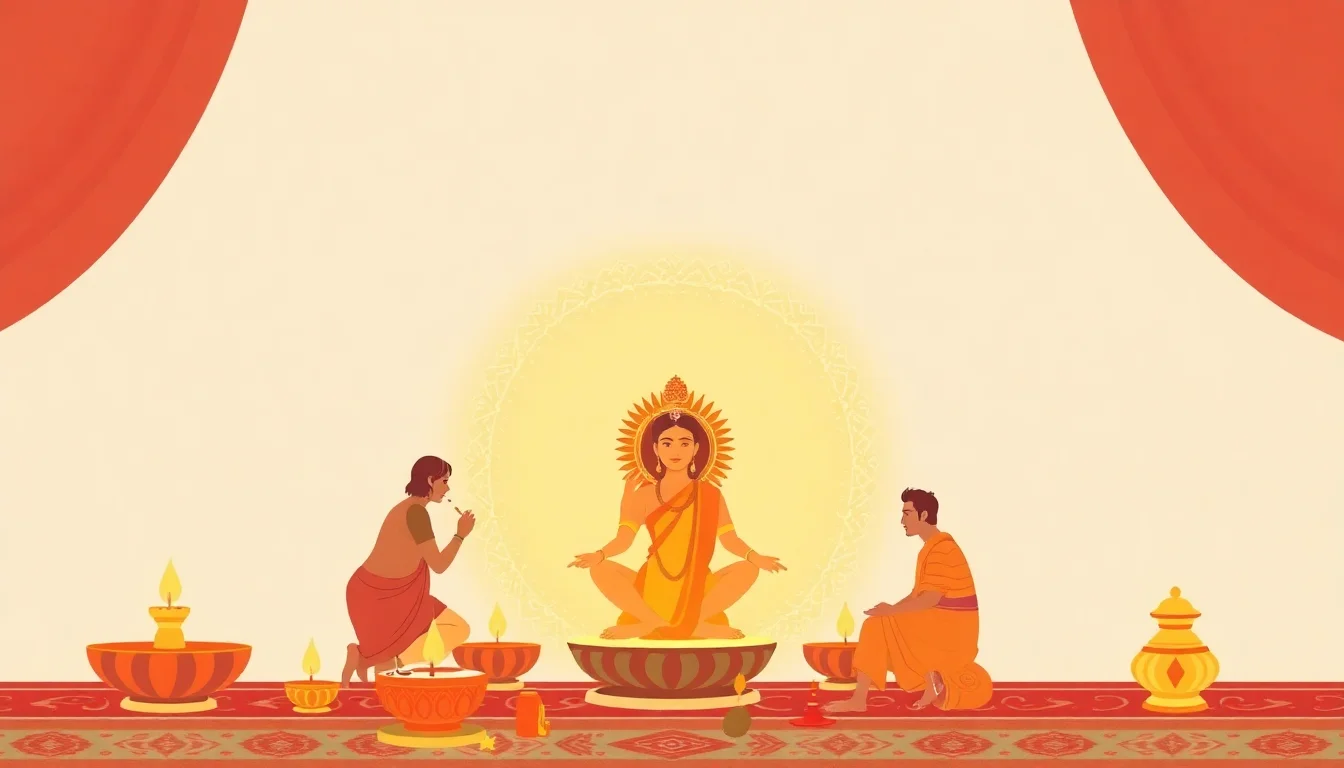
Puja, often transliterated as Pooja, is the central ritualistic act of devotion in Hindu traditions, a vibrant expression of love and reverence towards deities. It’s far more than a simple prayer; it’s a multi-sensory engagement involving offerings, mantras, and symbolic gestures designed to invoke divine presence and blessings. This practice can range from a brief, personal daily ritual in a home shrine to elaborate, community-wide ceremonies in temples. Understanding puja means appreciating its role as a conduit for spiritual connection, a way to maintain cosmic order, and a deeply personal act of faith for millions worldwide.
📍 Where to Experience Puja
While the most accessible place to witness and participate in puja is within a Hindu temple in your local community, the practice is also deeply ingrained in the domestic sphere. Many Hindu households maintain a dedicated home altar or shrine where daily pujas are performed. For those seeking to experience public pujas, major Hindu temples in cities like Varanasi, Rishikesh, or even large metropolitan centers globally, such as the BAPS Shri Swaminarayan Mandir in London or the Radha Parthasarathy Temple in Potomac, Maryland, offer regular scheduled pujas. The specific deity honored and the style of puja can vary significantly by region and tradition.
⏰ When to Participate
The timing of puja is often dictated by auspicious astrological moments, daily routines, or specific festivals. Many temples conduct pujas multiple times a day, typically at dawn (Surya Puja), midday, and dusk (Sandhya Puja). Personal home pujas are often performed in the morning after bathing and before breakfast, or in the evening. Major festivals like Diwali, Navaratri, and Maha Shivaratri are marked by particularly grand and extended puja ceremonies, drawing larger crowds and featuring more elaborate rituals. Observing the lunar calendar, particularly the Amavasya (new moon) and Purnima (full moon) days, can also be significant for certain pujas.
💰 Costs & Offerings
The concept of 'cost' in puja is nuanced, as it's primarily an act of devotion, not a commercial transaction. However, participating in temple pujas may involve voluntary donations or specific 'sevas' (acts of service) that can be sponsored, ranging from a few dollars for a simple offering to hundreds for elaborate ceremonies. For home pujas, the 'cost' is in the materials: flowers, fruits, incense, ghee for lamps, and sacred threads, which are typically inexpensive and readily available at Indian grocery stores or specialty religious shops. The true value lies in the sincerity of the offering, not its monetary worth.
⭐ User Reviews & Vibe
Puja generally garners a high Vibe Score of 85/100 for its profound spiritual resonance and community cohesion. Devotees consistently report feelings of peace, connection, and divine presence. Skeptics might point to the ritualistic repetition as potentially rote, but the overwhelming sentiment from participants is one of deep emotional fulfillment and spiritual upliftment. The energy within a temple during a well-performed puja, especially during festivals, is often described as electric and deeply moving, fostering a strong sense of shared devotion and belonging.
⚖️ Puja vs. Other Devotional Practices
Compared to other devotional practices, puja stands out for its active, participatory nature. While meditation focuses on internal contemplation and yoga on physical and mental discipline, puja is an externalized, ritualistic engagement. It shares similarities with Christian liturgical services in its structured format and use of sacred texts, but puja is typically more personalized and sensory-rich. Unlike the more austere practices found in some Buddhist traditions, puja is characterized by its vibrant offerings and the direct invocation of specific deities.
💡 Essential Puja Etiquette
Attending a puja requires a degree of decorum and respect. It's customary to remove shoes before entering the temple or shrine area and to dress modestly, covering shoulders and knees. While chanting mantras is integral, speaking loudly or engaging in distracting conversations is discouraged. It's also important to be mindful of the sacred space; avoid stepping over idols or offerings. Many pujas involve circumambulation (pradakshina), a clockwise walk around the deity, which is a sign of respect. If unsure, observing others and following their lead is generally a safe approach.
🙏 Getting Started with Home Puja
Embarking on home puja is a rewarding journey into personal devotion. Begin by setting up a clean, dedicated space, ideally with a small altar. Acquire essential items like an idol or image of your chosen deity, incense, a lamp (diya), flowers, and a bell. Start with simple daily rituals: offer water, light the lamp and incense, offer flowers, and chant a simple mantra like 'Om Namah Shivaya' or 'Om Namo Bhagavate Vasudevaya'. Consistency is key; even a few minutes of focused devotion can cultivate a powerful spiritual practice. Resources like books on Hindu rituals or guidance from a Hindu priest can be invaluable.
Key Facts
- Year
- Circa 1500 BCE (earliest Vedic references)
- Origin
- Indian Subcontinent
- Category
- Religious Practices
- Type
- Ritual Practice
Frequently Asked Questions
What are the essential items needed for a home puja?
For a basic home puja, you'll need an idol or image of your chosen deity, incense sticks, a lamp (diya) with oil and a wick, fresh flowers, a bell, and perhaps some fruits or sweets for offerings. Water for ablutions and a clean cloth to cover the altar are also useful. The specific items can vary based on the deity and the complexity of the ritual you wish to perform.
Can non-Hindus participate in puja?
Generally, yes. Many Hindu temples welcome visitors of all faiths to observe pujas. While participation in certain rituals might be restricted to Hindus, most temples encourage respectful observation. It's always best to inquire with the temple authorities beforehand about their specific visitor guidelines and any cultural sensitivities to be aware of.
How long does a typical puja ceremony last?
The duration of a puja can vary significantly. A simple home puja might take 10-15 minutes, focusing on essential offerings and a short mantra. Temple pujas, especially during festivals or for specific deities, can be much longer, sometimes lasting for several hours with elaborate rituals, chanting, and devotional singing (bhajans).
What is the significance of the bell in puja?
The bell, or 'ghanta', is rung during puja to invoke divine presence, to ward off evil spirits, and to signal the beginning and end of certain ritualistic actions. Its sound is considered auspicious and is believed to create a sacred atmosphere, helping to focus the mind on the divine.
Are there different types of puja?
Absolutely. Pujas are incredibly diverse, categorized by the deity being worshipped (e.g., Lakshmi Puja for wealth, Ganesha Puja for auspicious beginnings), the occasion (e.g., daily puja, festival puja), or the method (e.g., Vedic puja, Tantric puja). The complexity and specific rituals are tailored to the purpose and the tradition.